Lymphoedema and lymphatic drainage care in Southport
Lymphoedema and lymphatic drainage
Persistent swelling, heaviness or fluid retention can wear you down. Our osteopath Sam Batchelar has completed an advanced lymphedema management diploma and takes a whole-body approach to supporting the lymphatic system — here is what you should know and how we may be able to help.
Understanding your symptoms
Lymphoedema is swelling that develops when the lymphatic system — the network of vessels and nodes that normally drains excess fluid from the body's tissues — cannot keep up. It most often affects an arm or a leg, but it can occur elsewhere. Some people are born with a lymphatic system that works less efficiently, while others develop lymphoedema after surgery, cancer treatment, radiation, infection, injury or long periods of reduced mobility.
Early signs are often subtle: a feeling of heaviness or fullness in the limb, tightness, and clothing, shoes or jewellery feeling unusually snug. Lymphoedema is generally easier to manage the earlier it is recognised, so it is worth having persistent swelling assessed rather than waiting to see whether it settles on its own.
Osteopathy suits this kind of problem well because osteopaths are trained to look at the whole picture — not just the swollen area, but how your joints, muscles, circulation and lymphatic drainage are working together. Care may include gentle lymphatic-focused techniques, soft tissue work and movement, alongside practical self-management advice. Our remedial massage therapist Rose Johenson is also trained in manual lymphatic drainage, so lymphatic care can continue alongside massage or other treatment under one roof.
What to expect
Your first visit starts with a proper conversation — including any surgery, cancer treatment, infections or injuries in your history — because that background shapes what is safe and appropriate for you. Sam then assesses the swollen area, your movement and how your body is draining fluid before any hands-on work begins.
- A conversation about your symptoms, health history, relevant treatments and goals
- Assessment of the swelling, your skin, movement and circulation
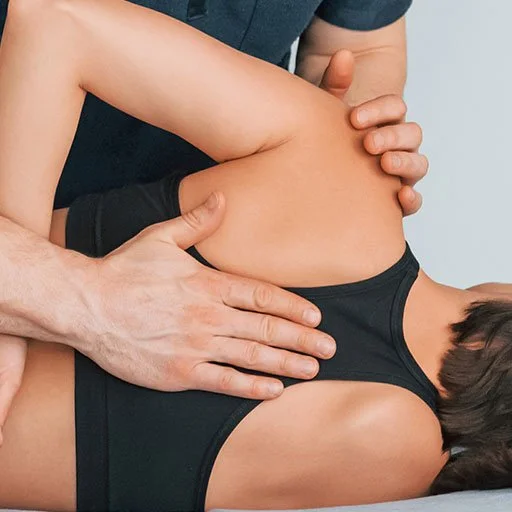
- Gentle, lymphatic-focused hands-on techniques — much lighter than a typical massage
- A personalised plan covering movement, self-management between visits, and honest advice on what care may realistically achieve
Care may include
Recommendations are based on your assessment and preferences. If care at our clinic is not appropriate, we will explain the next step and refer you when needed.
Questions about lymphoedema and lymphatic drainage
What is lymphoedema?
Lymphoedema is persistent swelling, most often in an arm or leg, that develops when the lymphatic system cannot drain fluid as it should. It can be present from birth or run in families, or it can follow surgery, cancer treatment, radiation, infection, injury or long periods of reduced mobility. Early signs include a feeling of heaviness or tightness, and clothing, shoes or jewellery feeling unusually snug.
What is manual lymphatic drainage?
Manual lymphatic drainage is a gentle, rhythmic hands-on technique that aims to encourage lymph fluid to move through the lymphatic system. It is much lighter than a typical remedial massage and is performed by practitioners with specific training in lymphatic care. It is usually combined with movement, and sometimes compression, as part of a broader management plan.
Does lymphatic drainage massage work?
Many people find manual lymphatic drainage helps them feel lighter, more comfortable and less swollen, and it is widely used as part of lymphoedema management alongside movement, compression and skin care. Responses vary from person to person, and it is not a cure — an honest practitioner will talk you through what it may and may not achieve in your situation.
Is lymphatic drainage massage safe?
Manual lymphatic drainage is gentle and generally well tolerated. However, some conditions need medical review first — for example an active skin infection, a blood clot, or uncontrolled heart or kidney problems. This is why every session starts with a thorough conversation about your health history before any hands-on treatment begins.
Can lymphoedema be cured?
There is currently no cure for lymphoedema, but it can usually be managed well — and early management tends to give the best results. Care typically brings together lymphatic drainage, movement and exercise, compression where indicated, and careful skin care, coordinated with your medical team where relevant.
How do I book lymphatic drainage in Southport?
No referral is needed. You can book with Sam Batchelar, our osteopath, online or call the clinic on (07) 5531 1434. We are at 198 Nerang Street, Southport, with ample on-site parking and level, ground-floor access.
When to seek urgent care
Seek urgent medical attention for sudden swelling, swelling with pain, heat or redness in the skin, fever, or swelling in one leg with calf pain or shortness of breath — these can signal an infection or a blood clot and need prompt medical care. If you are unsure, contact your medical practitioner or call 000 in an emergency.
Ready to talk with our team?
Book an appointment online or call us on (07) 5531 1434.